No Plastic Vessels. No Cubed Cheese. (Please.)
By Natalie Goldenberg-Fife
Founder, Gold & Fife
Originator of experiential concepts and platform-driven event strategy
@goldandfife_
In the past few weeks I’ve attended a range of gatherings, from intimate house parties where the rooms and the guests were dripping in art and style, to large-scale events with hundreds, sometimes thousands, of attendees.
Different hosts. Different budgets. Different intentions.
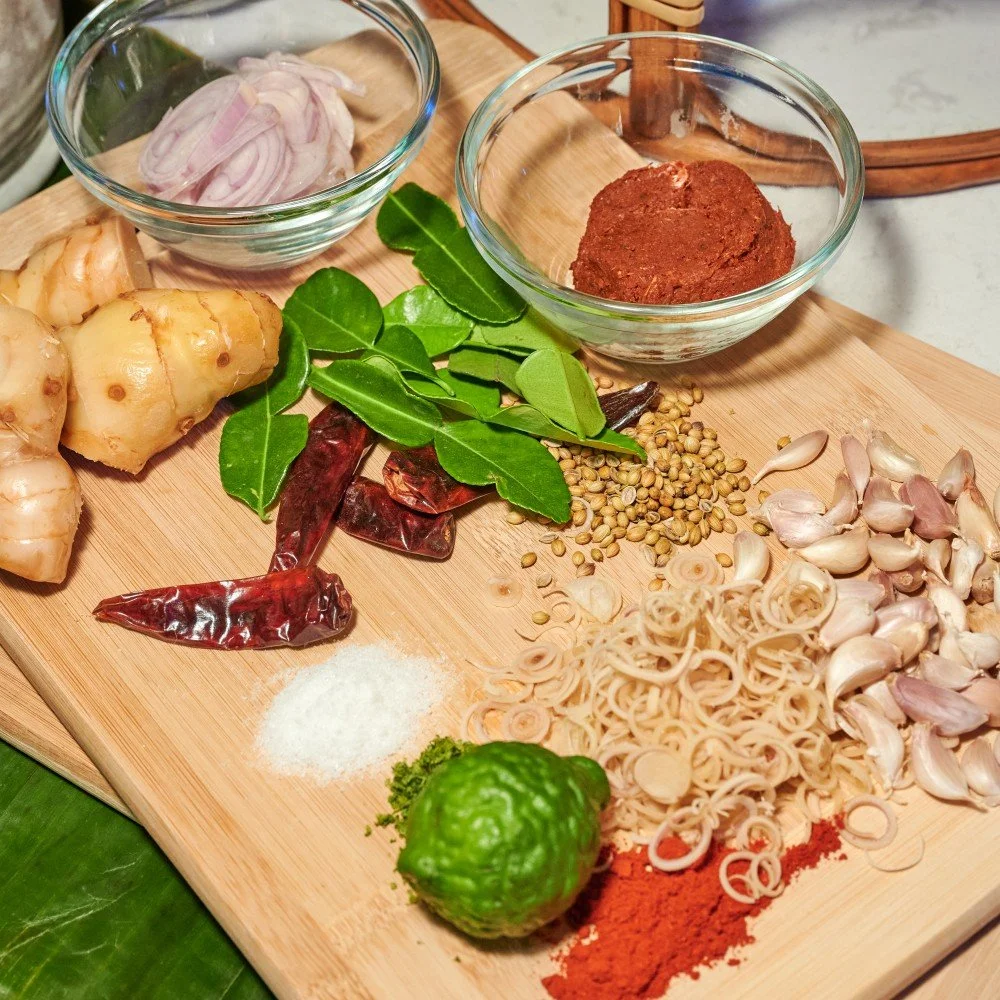
Real ingredients. Real materials.
And yet one detail kept appearing across the spectrum.
Plastic vessels.
Beautiful food served on a paper plate with a plastic knife and fork. Pretty decent wine poured into plastic glasses.
It may seem like a small thing, but plastic vessels quietly change the entire experience.
Hospitality lives in materials as much as it does in people.
The weight and intention behind a pottery-made ceramic bowl. The delicate, almost sexy feel of a proper stemmed wine glass. The texture of a wooden board.
Real, elemental materials.
These things subliminally shape how we experience what’s in front of us before the first bite or sip even happens.
A plastic wine glass or fork will immediately change the scent and taste.
Long before I worked in food and began designing culinary events, I had already learned another quiet rule of hospitality that relates to this discussion.
I had just come out of journalism school and was working at a crisis communications firm in Toronto’s financial district.
The firm was run by a group of formidable conservative gay men. An oxymoron, I know, but they absolutely exist. And they took no prisoners, believe me.
One day the CEO’s executive assistant explained a cardinal rule for any breakfast, lunch meeting or reception food platter.
No matter what.
Never, ever serve cubed cheese.
Under no circumstances should a platter appear with anonymous cubes of cheddar scattered across it.
At the time I do not remember anyone explaining why. The message was simply that it was tacky.
Looking back now, the reason feels obvious.
When cheese is cubed, it loses its identity. Just like wine does in a plastic glass or food does at the end of a plastic fork.
In the case of cheese, the rind disappears. The texture is flattened. The sense of origin is gone.
Cheese should be seen and sliced in its real form. Wedges, shards, generous cuts that still express what the cheese actually is.
Think of the platters from Toronto’s Cheese Boutique. Different shapes, textures, colours, each piece still carrying the personality of the country and the wheel it came from.
Cubed cheese is convenience masquerading as presentation.
And nowhere in Europe, nowhere, will you see cubed cheese.
There is another layer to this conversation that is harder to describe but easy to feel.
Food and wine carry the imprint of how they were made.
I remember this vividly during a run of Visa Infinite Dining Series events a few years ago. We had a sponsorship tied to a lineup of 90+ point wines. I will leave the region out.
Impressive on paper.
But night after night, city after city, the same thing happened when I tasted them.
Heavy oak. Loud fruit. Alcohol.
Then nothing.
The wines disappeared in the mouth almost immediately. No tension. No evolution. No real sense of place. They were technically correct but two-dimensional. Wines clearly designed for scale rather than care.
After a week of four events across three cities, my palate was practically rolling its eyes every time it took another sip.
The final stop was a serious Montreal restaurant that had won awards for being the kind of place built around a thoughtful tasting menu and precise wine pairings.
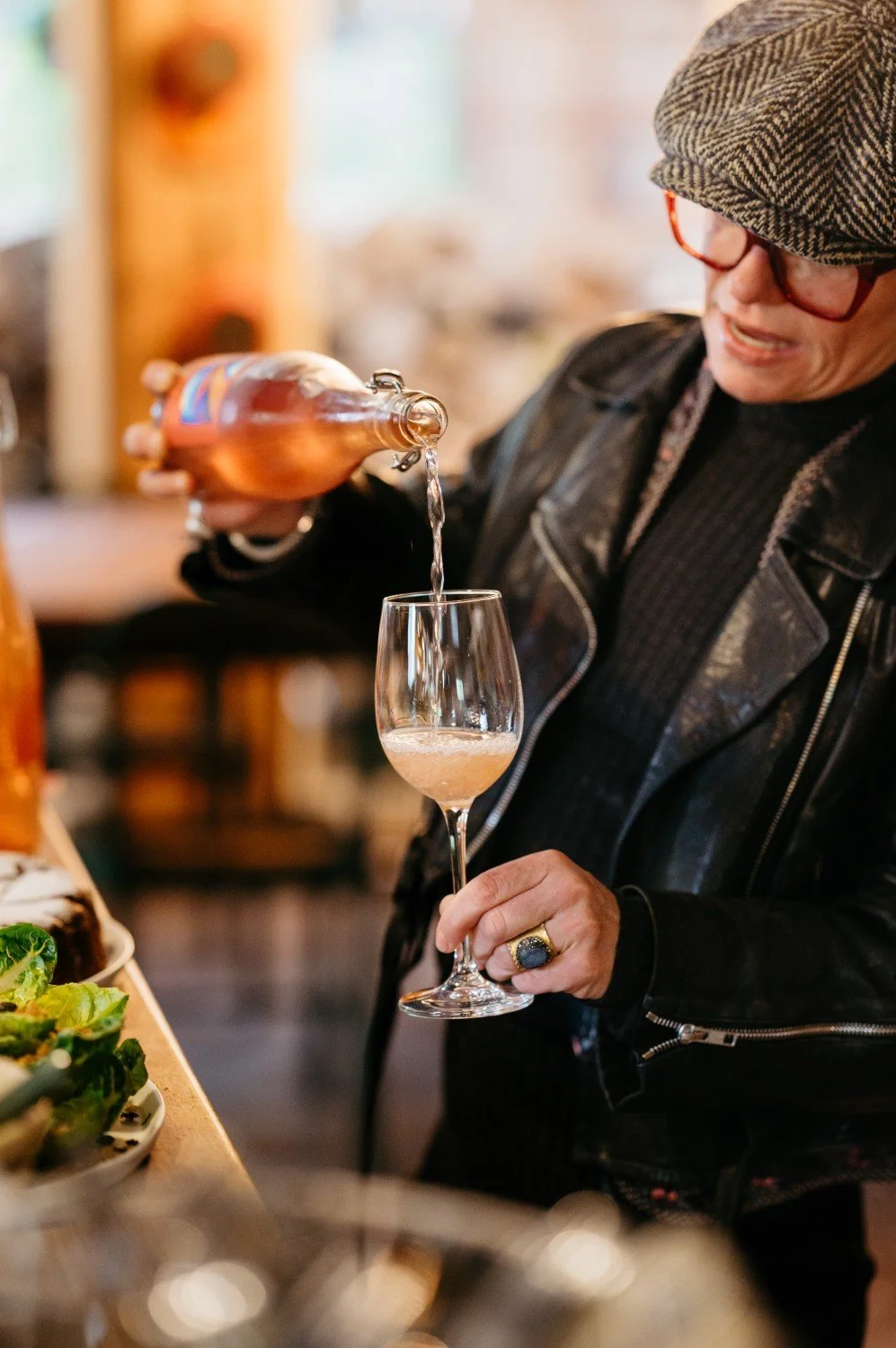
A proper glass changes everything. Vessels shape experience.
The dinner was designed around the 90+ wine sponsorship.
But the reality was that these bottles would never have made it through the front door under any other circumstance.
The owner knew it. Our guest emcee sommelier, a thirty-year veteran and renowned Quebec wine writer, knew it.
We were all quietly united in the same feeling. The slightly uncomfortable reality of occasionally selling out to the power of a large sponsorship.
The dinner happened. Guests enjoyed themselves. The machine rolled on.
But at the end of the night, the owner poured me a glass of white Burgundy from a small organic producer, a woman working on a tiny scale, farming and fermenting in the rhythm with the vineyard's natural cycles.
Crisp. Electric. Balanced with acidity and roundness. The wine moved across the palate and kept unfolding sip after sip.
After a week of drinking wines that felt engineered, this one felt alive.
I took a sip and actually felt the wine in my spine. A small jolt of energy, like electricity running through the body.
That is the difference between something produced at scale and something made with care.
One disappears.
The other carries life.
Plastic vessels do the same thing to food and wine.
They flatten them.
Plastic dulls aroma. It interferes with flavour. A thoughtful wine poured into a plastic cup collapses immediately. A carefully composed dish placed on a plastic plate suddenly feels temporary, even disposable.
Serve something beautiful in plastic and you reduce it to something forgettable.
A plastic fork. A plastic spoon. A plastic wine glass.
No.
If a chef has spent hours composing a dish, and a grower has spent years farming and fermenting a wine with care, those efforts deserve materials that respect the work.
Hospitality, at its core, is about protecting the integrity of what is being served.
No plastic vessels. No cubed cheese.
Please.
PS. If you’re interested in exploring alternatives to plastic that are better for both the experience and the environment, reach out. I’m always happy to share ideas.
PPS. One place this still quietly breaks my heart is air and train travel. Even in business class, water and pre-takeoff beverages are routinely served in plastic. In economy, you’ll watch bags of plastic cups pile up as passengers go through multiple rounds of drinks over the course of a flight. The waste is staggering.
The same irony appears at charity events and venues that proudly describe themselves as sustainable or environmentally conscious, yet overlook the vessels entirely.
Sometimes the biggest environmental impact lives in the smallest, most overlooked details.
Concept, Narrative & Original Text by Natalie Goldenberg-Fife of Gold & Fife.
Gold & Fife is an experiential agency specializing in culinary, hospitality, and cultural programming, leading Concept & Creative Direction for Oliver Farm’s event programming.